
Public
Exploring the psychology of gambling in casinos
The Allure of Gambling: Understanding the Initial Attraction
The initial draw of casinos often lies in the thrilling rush that gambling can provoke. This excitement is closely linked to the brain’s reward system, which releases dopamine, a neurotransmitter that signifies pleasure and satisfaction. When individuals step into a casino, they are enveloped by bright lights, vibrant sounds, and a stimulating atmosphere designed to create sensory overload. This environment is meticulously crafted to capture attention and promote prolonged engagement, drawing people in with the tantalizing promise of potential rewards and the chance to win big, including options available at new betting sites that enhance the gaming experience.
Moreover, the interplay of risk and reward plays a crucial role in attracting gamblers. The unpredictability of outcomes can evoke a thrill akin to that experienced in extreme sports or other risk-taking behaviors. For many, the excitement surrounding a potential win, even when the odds are stacked against them, often outweighs the fear of loss. This is further compounded by societal perceptions of gambling, where winners are frequently celebrated, fostering a communal sense of optimism and excitement that enhances the overall casino experience.
Another significant aspect is the psychological impact of winning and losing streaks, which can be particularly captivating. Gamblers often fall into the “gambler’s fallacy,” a belief that past outcomes can influence future results. This cognitive bias can lead them to chase losses or continue playing even during losing streaks. The anticipation of a win can create a reinforcing loop of behavior that keeps players engaged, sometimes leading to extensive sessions that blur the line between entertainment and compulsion. These psychological dynamics contribute to the allure of gambling, making it a captivating experience for many.
The Role of Environment in Gambling Behavior
The physical environment of a casino is purposefully designed to influence player behavior and enhance the overall gambling experience. Elements such as layout, décor, and even scent significantly contribute to creating an atmosphere that encourages spending. Casinos are often designed to be labyrinthine, making it challenging for players to navigate their way out, effectively encouraging longer stays and more gambling. This design strategy exploits the psychology of spatial perception, making players feel simultaneously comfortable and disoriented, which keeps them engaged longer.
Additionally, sound and lighting play critical roles in amplifying the emotional highs and lows associated with gambling. Winning sounds, such as ringing bells and celebratory music, create an exhilarating atmosphere that reinforces positive gambling behavior. Conversely, dim lighting paired with bright electronic displays can invoke a sense of urgency, prompting players to act quickly, often leading to impulsive decisions. This sensory bombardment is instrumental in keeping players engaged for hours, contributing to a cycle of consistent play that can lead to problematic gambling behaviors.

The social environment within casinos also significantly impacts gambling behavior. Many individuals are drawn to the communal nature of gaming, where interactions with dealers and fellow players enhance the overall experience. Social facilitation can lead to increased betting as players feel emboldened in a group setting. The psychological phenomenon of “herd mentality” can take hold, encouraging individuals to gamble more than they would in isolation. This social aspect further entrenches the gambling experience, transforming it into a shared event that fosters connection and excitement among participants, further complicating the psychology of gambling.
Psychological Effects of Gambling: Addiction and Compulsion
The psychological effects of gambling can be profound, particularly in terms of addiction. For some individuals, the thrill of gambling can transition from a casual pastime to a compulsive behavior that disrupts various aspects of their lives. The Diagnostic and Statistical Manual of Mental Disorders recognizes gambling disorder as a behavioral addiction, underscoring its similarities to substance use disorders. This shift often occurs when individuals prioritize gambling over personal relationships, work, and other responsibilities, driven by an insatiable need for the rush that gambling provides.
The cycle of addiction frequently involves periods of winning, followed by losses, creating a compulsive need to chase that initial high. This pursuit often leads individuals to borrow money or engage in dishonest means to fund their gambling habits. The psychological toll of such actions can be devastating, resulting in feelings of guilt, anxiety, and depression. Understanding the psychological mechanisms behind this addiction is crucial for developing effective treatment strategies that can help individuals regain control over their lives and find healthier outlets for their needs.
Treatment for gambling addiction typically involves therapy, support groups, and sometimes medication. Cognitive-behavioral therapy focuses on modifying unhealthy thinking patterns and behaviors associated with gambling. Support groups, such as Gamblers Anonymous, provide a community for individuals to share their struggles and successes, promoting accountability and recovery. Addressing the psychological aspects of gambling addiction is essential for those seeking to break free from its grip, enabling them to reclaim a healthier lifestyle while fostering a deeper understanding of their behaviors.
Managing the Psychological Risks: Awareness and Strategies
To effectively navigate the psychological risks associated with gambling, awareness is paramount. Players must understand their motivations for gambling, distinguishing between recreational play and potentially harmful behavior. Setting clear limits on the time and money spent at casinos can help maintain control and prevent spiraling into compulsive habits. This self-awareness, combined with a realistic understanding of the odds, can significantly reduce the likelihood of developing problematic gambling behaviors. Educating oneself about the psychological mechanisms at play empowers gamblers to make informed decisions and recognize when their habits begin to shift towards risk.
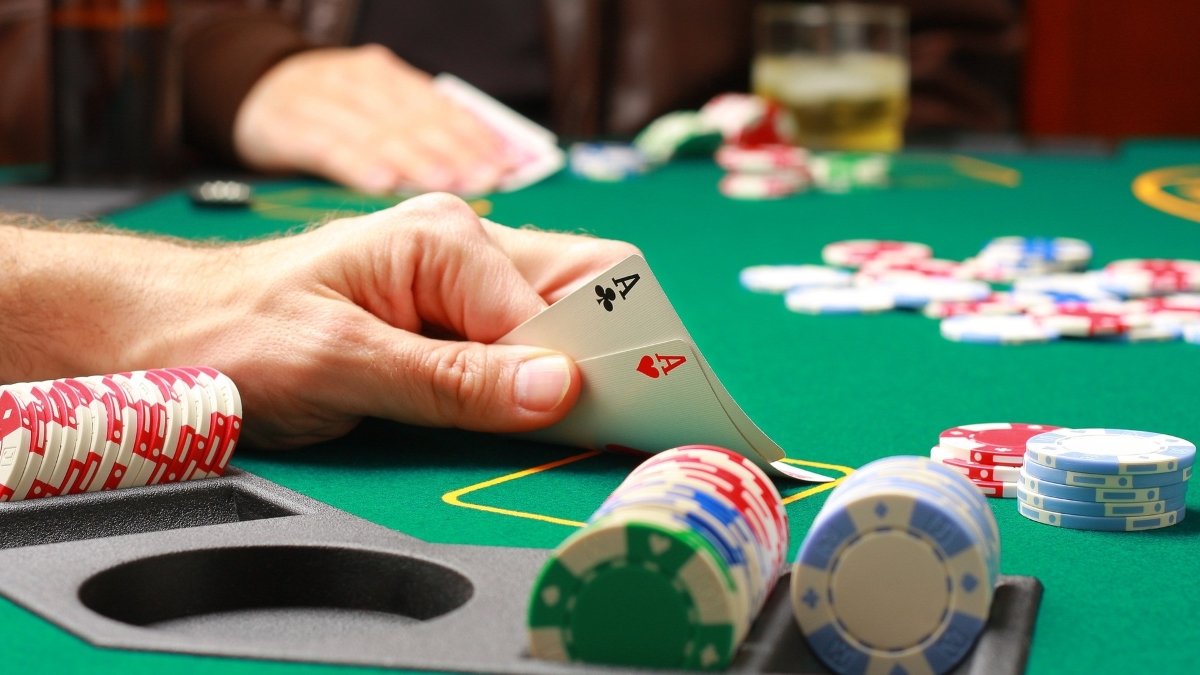
Implementing strategies such as setting personal budgets, limiting gameplay to specific time slots, and taking regular breaks can help mitigate the risks associated with gambling. These measures assist players in maintaining a sense of control and preventing impulsive decisions that can lead to significant financial loss. Additionally, seeking professional help when gambling begins to negatively impact personal or financial well-being can provide essential support and resources for recovery. A proactive approach to gambling habits not only enhances the experience but also safeguards individuals from the potential pitfalls of addiction.
Furthermore, casinos themselves are increasingly recognizing the importance of responsible gaming initiatives. Many establishments now offer resources and support for players who may be struggling, including self-exclusion programs and information on responsible gambling. By working together, casinos and players can promote a safer gambling environment that prioritizes mental well-being while still allowing individuals to enjoy the entertainment aspect of gambling responsibly. The collaboration between the industry and players can create a more balanced and sustainable approach to gambling activities.
Additional Resources and Insights on Gambling Psychology
For those interested in exploring the intricacies of gambling psychology further, numerous resources and studies examine the intersection between behavior and gaming. Websites dedicated to gambling psychology provide articles, research findings, and expert opinions that can offer valuable insights. Engaging with this body of knowledge can help individuals better understand their gambling behavior and the complex psychological factors involved. These resources serve as a foundation for anyone looking to enhance their awareness and comprehension of gambling dynamics.
Moreover, forums and online communities provide platforms for sharing personal experiences and coping strategies. Individuals can learn from others who have faced similar challenges, fostering a sense of community and support. Participating in these discussions can help normalize conversations around gambling habits, making it easier for individuals to seek help when needed. Such resources contribute to a greater understanding of gambling and its psychological impact, empowering players to take charge of their gaming habits and make more informed choices.
In conclusion, exploring the psychology of gambling in casinos reveals a complex interplay of attraction, environmental influences, and psychological factors. By understanding these elements, both players and industry stakeholders can work towards fostering a healthier gambling atmosphere. Continuous discourse on responsible gaming and the psychological implications of gambling is vital in ensuring that individuals can participate in this form of entertainment without falling victim to its potential dangers. The ongoing commitment to education and support can help create a more sustainable gambling culture that prioritizes mental health and well-being.
