
Public
Understanding the psychology behind your gambling habits
Understanding the psychology behind your gambling habits
The Nature of Gambling Behavior
Gambling behavior is a complex interplay of psychological, social, and environmental factors. For many, it begins as a source of entertainment, where the thrill of risk-taking evokes excitement and anticipation. To truly understand the psychological triggers leading to gambling, one can explore resources like https://totecasinos-uk.com, which provide information to assist with this journey. Emotional responses, such as the rush of winning or the frustration of losing, significantly influence decision-making. This emotional rollercoaster often compels individuals to continue engaging in gambling activities, even when the risks become apparent.
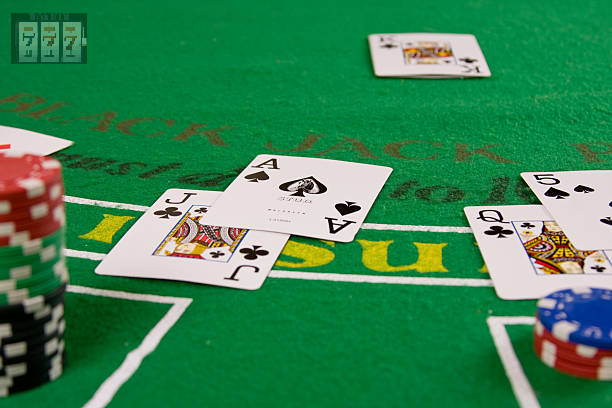
Another psychological aspect is the concept of intermittent reinforcement. Gamblers often receive sporadic rewards, such as wins or bonuses, which reinforce the behavior and keep them coming back for more. This unpredictability can lead to the development of compulsive habits, as players chase the elusive win. Acknowledging the thrill associated with these unpredictable outcomes can help individuals better understand their gambling patterns and the inherent risks involved.
Additionally, cognitive biases play a significant role in how individuals perceive their gambling experiences. For instance, the illusion of control may lead a player to believe they can influence the outcome of a game through skill, even in games of chance. This cognitive distortion can cause individuals to overestimate their chances of winning, further entrenching their gambling habits. Understanding these biases is essential for developing healthier gambling behaviors and making informed decisions.
The Role of Emotions in Gambling
Emotions significantly impact gambling habits, often driving individuals to engage in behaviors that contradict their rational judgment. Many people gamble to escape stress or negative emotions, seeking a temporary reprieve from life’s challenges. This emotional escape can create a cycle where gambling becomes a coping mechanism, leading to increased risk-taking and potential addiction. Recognizing the emotional triggers behind gambling is vital for those seeking to adopt more responsible habits.
Moreover, the relationship between emotions and gambling is not one-sided; wins can elicit feelings of euphoria, reinforcing the desire to gamble more. Conversely, losses can lead to feelings of despair or anger, prompting individuals to chase their losses by gambling again. This emotional volatility can distort the perception of gambling as a fun activity, instead transforming it into an unhealthy obsession. Understanding this cycle can empower individuals to seek healthier alternatives for emotional regulation.
It’s also worth noting the impact of social influences on emotional gambling behavior. Friends, family, or cultural norms can shape an individual’s view on gambling, often normalizing risky behaviors. Peer pressure can lead individuals to gamble more frequently or take greater risks than they otherwise would. By understanding the emotional interplay between personal feelings and social dynamics, individuals can take proactive steps to foster responsible gambling habits.
The Social Influences on Gambling Habits
Social influences play a pivotal role in shaping gambling habits. The context in which individuals engage in gambling—whether in a social setting or alone—can affect their decisions. Many people view gambling as a communal activity, where friends gather to share the experience. This camaraderie can encourage excessive gambling, as individuals may feel pressured to keep up with their peers. Recognizing the influence of social dynamics can help individuals make more conscious choices about when and how they gamble.
Moreover, the normalization of gambling in various media and cultural narratives further exacerbates these social influences. Advertisements often glamorize gambling as a lifestyle choice, promoting a sense of excitement and glamour. Such portrayals can mislead individuals into believing that gambling is a harmless pursuit, causing them to underestimate its potential risks. Awareness of these societal messages can empower individuals to critically evaluate their gambling behaviors and seek balance.
In addition, support systems can have a profound impact on responsible gambling. Friends and family can play a crucial role in either promoting or discouraging gambling habits. A supportive social network may encourage moderation and accountability, while a lack of support can lead to isolation and unchecked gambling behaviors. Building a positive support network that promotes responsible gambling practices is essential for mitigating the risks associated with gambling.
The Impact of Cognitive Biases
Cognitive biases are significant contributors to the psychology behind gambling habits. These biases, such as the gambler’s fallacy, lead individuals to make irrational decisions based on misconceptions about probability and luck. For instance, someone might believe that after a series of losses, a win is “due,” prompting them to continue gambling despite the odds remaining unchanged. Understanding these biases can help individuals make more rational choices and break free from compulsive behavior.
Additionally, confirmation bias plays a role in how gamblers process their experiences. Players often tend to remember their wins more vividly than their losses, reinforcing the belief that they are more successful than they actually are. This selective memory can create a false sense of security, leading individuals to gamble more than they should. Acknowledging the influence of cognitive biases is crucial for fostering a more realistic perspective on gambling and making informed choices.
Furthermore, the effect of near misses can reinforce gambling habits. The sensation of almost winning can trigger similar emotional responses to actual wins, creating a compulsion to gamble again. This phenomenon can obscure the understanding of true probabilities and lead to continued engagement in risky behaviors. Recognizing how cognitive biases influence gambling decisions can aid individuals in developing more responsible gambling habits and enhancing overall self-awareness.

Promoting Responsible Gambling at Tote Casino UK
Tote Casino UK is committed to promoting responsible gambling among its players. The platform offers a comprehensive range of tools and resources designed to empower individuals to make informed decisions about their gambling habits. From self-assessment tools to deposit limits, Tote Casino provides players with the ability to monitor and control their gaming activities, promoting a safer gambling environment.
Moreover, Tote Casino UK prioritizes player education by offering valuable insights into the psychology of gambling. By fostering an understanding of the emotional and psychological factors that influence gambling habits, the casino aims to help players recognize when their behaviors may be becoming unhealthy. This proactive approach encourages individuals to engage in more responsible gambling practices, ultimately contributing to a more enjoyable gaming experience.
In conclusion, the focus on responsible gambling at Tote Casino UK sets it apart as a trustworthy platform for both new and seasoned players. By integrating a commitment to player safety with a rich gaming experience, Tote Casino is dedicated to ensuring that gambling remains a fun and enjoyable pastime. Understanding the psychology behind gambling habits can empower individuals to approach their gaming experiences with mindfulness, fostering a healthier relationship with gambling.
