
Uncategorized
Exploring the psychology behind casino winnings and losses
The thrill of winning
The excitement of winning in a casino is often psychological rather than monetary. When players hit the jackpot or win at their favorite slot machines, it triggers a rush of dopamine, the neurotransmitter associated with pleasure and reward in the brain. This chemical reaction can lead to a euphoric feeling, reinforcing the behavior of gambling. For many, the thrill of the win can become addictive, drawing them back to the casino in hopes of experiencing that high again. Additionally, when exploring crypto casino sites, players may find unique gaming experiences that offer different psychological effects.
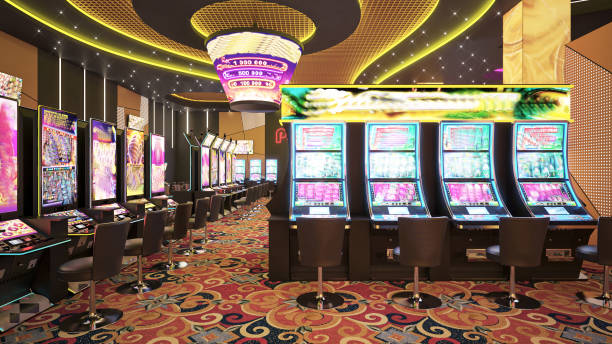
Moreover, the environment of a casino is meticulously designed to enhance these feelings. Bright lights, enticing sounds, and the presence of other winners create an atmosphere that amplifies excitement and encourages players to continue gambling. Understanding how these elements affect emotional and psychological responses is crucial for both players and operators, as it explains why many find it difficult to walk away after a win.
The impact of losses
Losses in a casino can evoke strong emotional reactions, often leading to a cycle of chasing losses. When players experience a significant defeat, their immediate response may include frustration and disappointment. This emotional turmoil can lead to impulsive decisions, such as increasing bets in hopes of recouping losses. This phenomenon, often referred to as the ‘gambler’s fallacy,’ can trap players in a cycle of gambling that is difficult to escape.
Furthermore, the psychological ramifications of loss can contribute to a heightened sense of risk-taking. Players might rationalize their losses with thoughts like “I can win it back,” which can lead to further financial and emotional distress. Understanding this psychological dynamic is vital for creating responsible gambling strategies and supporting individuals who may be struggling with their gambling habits.
Cognitive biases in gambling
Cognitive biases play a significant role in how individuals perceive risk and reward in gambling scenarios. Common biases, such as the illusion of control, lead players to believe they have more power over outcomes than they actually do. For example, someone might assume they can influence the roll of dice or the spin of a roulette wheel, which can enhance their gambling experience but also increase the likelihood of poor decision-making.
Another prevalent bias is hindsight bias. After winning, players often convince themselves they knew they would win all along, thereby reinforcing their desire to continue gambling. This skewed perception can create an unrealistic expectation of future wins, making it harder to recognize the inherent risks involved in gambling. By identifying these cognitive biases, players can better understand their behavior and potentially make more informed decisions.
The role of social influences
The social environment surrounding gambling can significantly influence individual behavior. Peer pressure, group dynamics, and social interactions within a casino setting can affect how much and how often someone gambles. For instance, the presence of friends can heighten excitement and lead to increased betting, as individuals strive to impress or keep up with their peers.
Additionally, many gamblers seek social validation and camaraderie within the casino, often viewing wins as shared victories among friends. This social aspect can contribute to a sense of belonging, further complicating the psychological landscape of gambling. Understanding these social influences helps to explain why certain individuals might gamble more heavily in groups than alone, highlighting the importance of awareness around social contexts in gambling environments.

About usonw.org
Our website, usonw.org, aims to educate and inform users about the intricacies of gambling, including the psychological aspects of winnings and losses. With a focus on responsible gambling, we provide valuable resources and insights to help individuals understand their gambling behaviors better. By promoting awareness and education, we strive to create a safer gambling environment for all.
As online access to our content is temporarily restricted for security reasons, we encourage users to reach out for assistance and share their experiences. Our commitment is to ensure that everyone can engage with high-quality, informative content about gambling psychology and responsible practices.
